Closing the Gap: Dental and Orthopaedic Teams Collaborate for Safer Implants
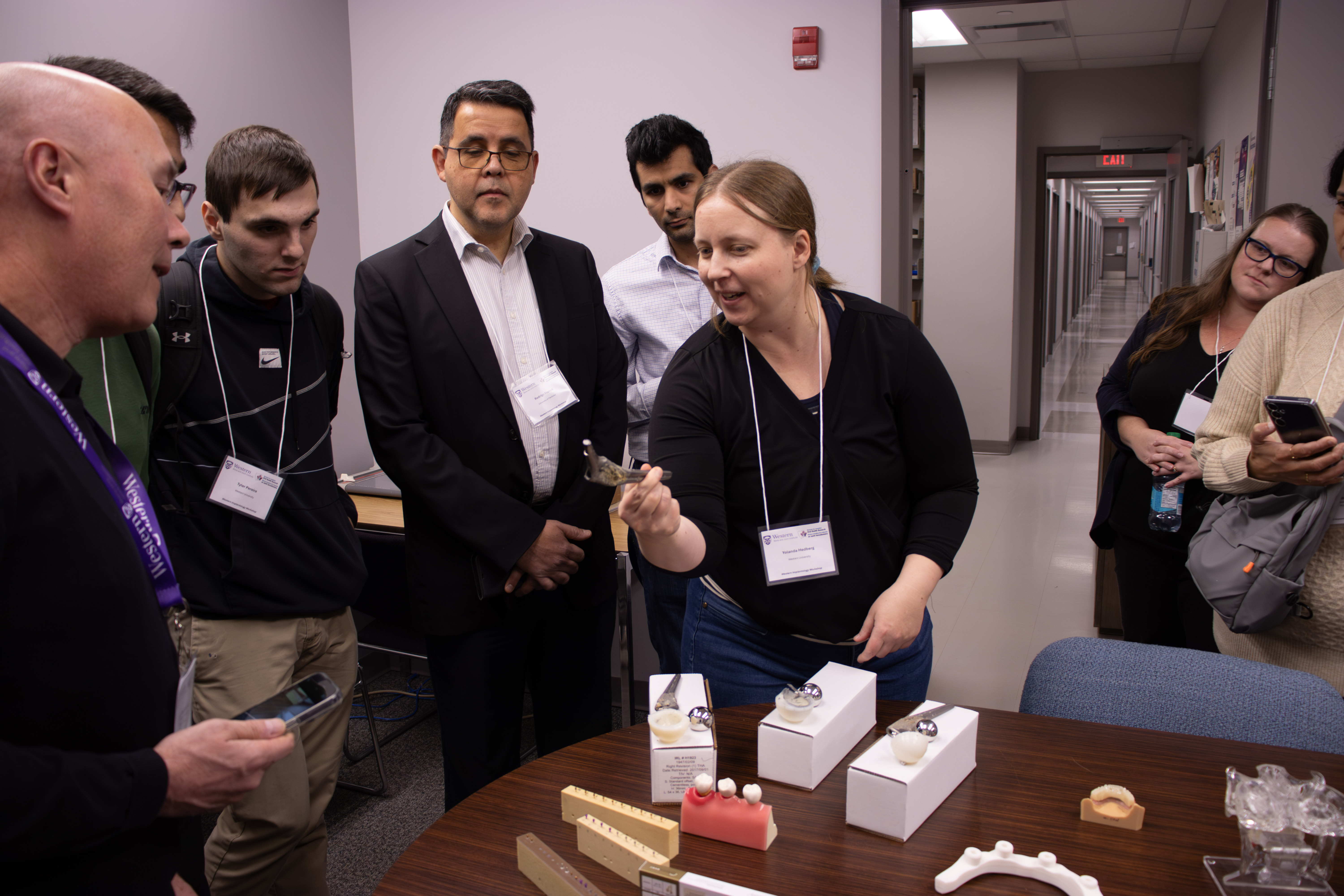
“As oral health is connected to total health and well-being, failed dental implants negatively impact the patient on multiple levels.” - Team Co-Lead Les Kalman
This past year, more than 400,000 Canadians received a knee, hip, shoulder, or dental implant. These procedures help reduce pain, restore mobility and function, and improve quality of life. But even with excellent care, some implants do not perform as expected. Approximately 1 in 20 orthopaedic implants and up to 1 in 5 dental implants fail earlier than expected, sometimes leading to serious complications, such as infection, pain and impaired function. Although dental and orthopaedic implants are made from many of the same materials, the two fields rarely collaborate or share data.
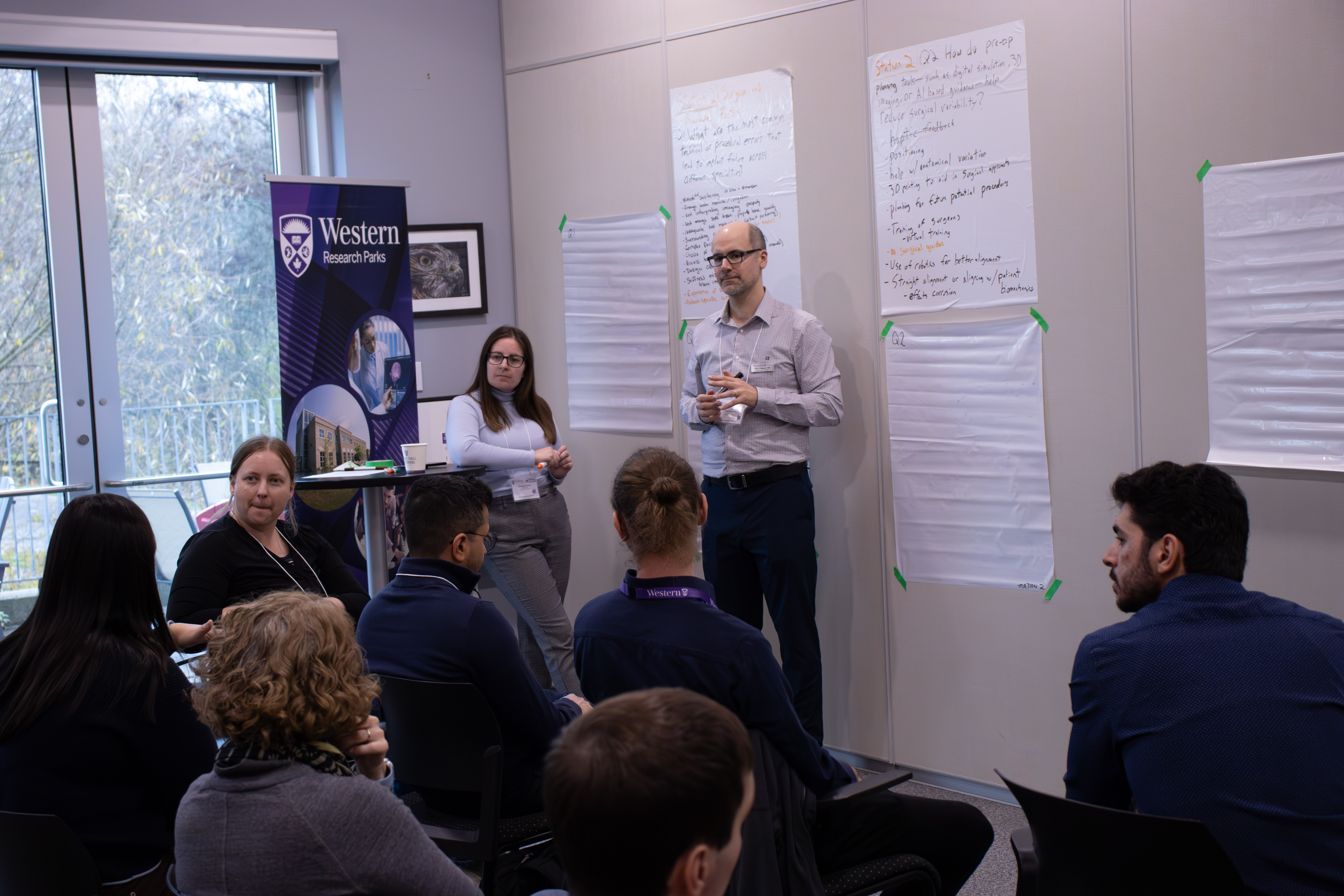
To help address this gap, funding from the Network for Canadian Oral Health Research (NCOHR) supported a two-day Implantology Workshop at Western University. The event brought together more than 50 leading experts from across Canada—dentists, orthopaedic surgeons, engineers, scientists, and industry partners—to explore how to make implants safer and more reliable. Participants included researchers from the University Waterloo, Wilfrid Laurier University, University of Guelph, University of Toronto, University of Manitoba, The Ottawa Hospital, and Western University, as well as local clinicians, and representatives from implant manufacturing and medical imaging companies.
This Team Connect Development Program funding and critical support from Western’s Bone & Joint Institute will allow this group to develop a collaborative team to investigate this important oral health issue.
Tackling Implant Failures
“Complex problems require multidisciplinary approaches like this. I am grateful for the funding from NCOHR and the great help from Western’s Bone and Joint Institute to nurture these intersectoral and interdisciplinary conversations and collaborations.” - Hedberg
One of the most exciting outcomes of the workshop was a shared commitment to create a Canadian Implant Retrieval Program for both dental and orthopaedic implants. This national initiative will link Canada’s two largest implant retrieval labs—located at Western University in London and the University of Manitoba in Winnipeg—to standardize the collection and analysis of failed implants. Having this information available across Canada will make it easier for researchers to understand why implants fail, especially in cases involving chronic infection—the biggest unsolved problem in both dentistry and joint replacement.
 |
 |
The workshop also addressed other important topics, including identifying the causes of implant failure, strengthening the pathway from research to regulation, and addressing the growing concerns around medical and dental implant tourism. Overall, the event sparked new collaborations among researchers, clinicians, and industry partners, helping ensure that breakthroughs in the lab more rapidly translate into improved patient outcomes. We look forward to sharing updates as this work continues.